The Nature of Casino Odds
Understanding casino odds is fundamental to grasping the gambling experience. Each game in a casino has been meticulously designed to provide a specific house edge, which represents the mathematical advantage that the casino holds over the players. For instance, in games like blackjack, skilled players can reduce the house edge significantly using strategies such as card counting. However, those seeking thrills might also consider the best online casino australia options that offer exciting gameplay. The majority of players may not have the skills or knowledge needed to leverage these strategies effectively, making it difficult for them to compete against the inherent odds.
Additionally, games like slots operate on random number generators, giving each spin an equal chance of winning or losing. This randomness means players have no control over the outcome, which can be frustrating for those seeking a strategy to beat the odds. Understanding these mechanics can help players make informed decisions about which games to play and how much money to wager. Ultimately, while it is possible to strategize in certain games, winning consistently against the odds remains a considerable challenge.
Moreover, the psychology behind gambling plays a significant role in how players perceive their chances of winning. Many gamblers operate under the illusion that they can somehow ‘beat the odds’ through lucky streaks or patterns that they believe exist. This mentality can lead to risky behaviors, such as increasing bets after losses or staying at the table for longer periods than intended. Therefore, recognizing the nature of casino odds can help better manage expectations and promote responsible gaming practices.
Strategies to Improve Your Chances
While the odds may be against players in a casino, there are strategies that can enhance their chances of success. When it comes to table games like blackjack or poker, understanding the rules and implementing solid strategies can significantly impact the outcome. For instance, basic blackjack strategy charts can guide players on when to hit, stand, or double down based on the dealer’s visible card, thereby reducing the house edge and improving their odds.
In poker, mastering the art of bluffing and recognizing opponents’ behaviors can turn the tide in a player’s favor. Unlike many other casino games, poker involves skill, strategy, and psychology, allowing players to influence their success more directly. While no strategy guarantees a win, players who invest time in learning the intricacies of the game can experience better outcomes over time.

Sports betting is another avenue where strategy can play a crucial role. Unlike games of pure chance, sports betting combines knowledge about teams, player performance, and statistical analysis. Bettors who take the time to analyze game conditions and make informed wagers often find themselves with a more favorable outcome than those who bet impulsively or emotionally. In this case, players can improve their odds through research and careful consideration.
The Role of Luck in Gambling
Despite strategies and knowledge, luck undeniably plays a pivotal role in the world of gambling. Every player has experienced the thrill of an unexpected win, as well as the disappointment of a significant loss. For many, the allure of casino games lies in that element of chance, making it difficult to completely separate skills from luck. This interplay can create a rollercoaster of emotions, as players ride highs and lows throughout their gaming experience.
In games like roulette, for example, no amount of strategy can change where the ball lands on the wheel. The odds remain constant, and outcomes are ultimately unpredictable. However, this unpredictability can also be what draws players to the game, providing excitement and anticipation. Recognizing that luck is a factor helps in understanding that while strategies may enhance chances, they cannot eliminate the inherent risk involved in gambling.
Furthermore, players must be cautious not to let a few lucky wins create a false sense of security. Gamblers often fall into the trap of believing they can replicate their success. This gambler’s fallacy can lead to overconfidence and poor decision-making, resulting in substantial losses. A balanced perspective on luck can promote more responsible gambling practices and prevent players from chasing their losses recklessly.
The Importance of Bankroll Management
Effective bankroll management is a crucial aspect of attempting to beat the odds in a casino. Players must establish a budget before entering the gaming floor, determining how much they are willing to lose and sticking to that limit. This practice not only prevents financial strain but also promotes a more enjoyable gaming experience. When players gamble within their means, it fosters a sense of control and reduces the likelihood of impulsive decisions.
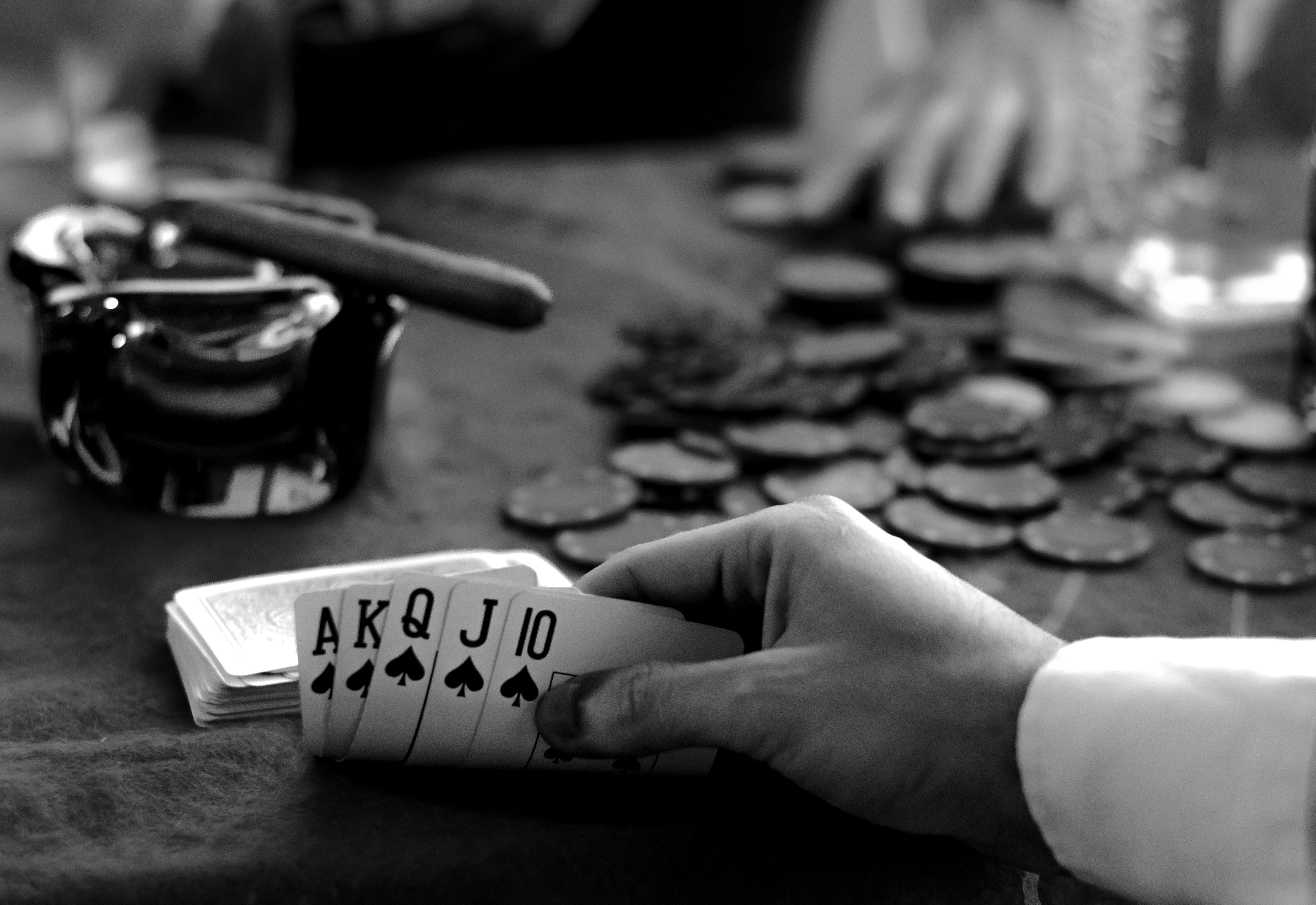
Additionally, players should allocate their bankroll wisely across various games. Spreading out bets rather than placing larger wagers on a single game can enhance longevity and increase the chances of experiencing wins. For example, a player might choose to allocate a portion of their bankroll to slots while reserving another amount for table games. This diversification can protect players from quickly exhausting their funds while allowing for the thrill of multiple gaming experiences.
Finally, it’s essential for players to recognize when to walk away. Whether in the midst of a winning streak or after experiencing losses, knowing when to cash out can help safeguard winnings and prevent further losses. Setting win and loss limits can assist players in making more rational decisions regarding their gaming activity and can contribute to a healthier gambling mindset.
Conclusion: Understanding the Reality of Casino Gambling
In summary, while it is possible to develop strategies to improve odds and enhance the overall gaming experience, the reality is that casinos are designed to favor the house. Players who understand the intricacies of the games, engage in responsible gambling practices, and manage their bankrolls effectively will likely find their time at the casino more enjoyable. However, acknowledging the role of luck and the risks involved is equally important.
Gambling should be viewed primarily as a form of entertainment rather than a reliable source of income. Accepting this mindset can help mitigate the frustrations that often accompany gaming experiences. By remaining informed about game odds and employing strategic approaches, players can balance enjoyment with responsible gambling practices, ultimately enhancing their experience.
For those interested in learning more about casino games, strategies, or tips for responsible gambling, a wealth of information is available online. This knowledge can support players in making informed decisions, ensuring a safer and more enjoyable experience at the casino. Understanding both the odds and the games themselves opens the door to a more responsible, engaging, and rewarding gaming journey.
